Walk down the pet-care aisle or scroll an online store and the number of dog waste tools is dizzying. Rakes, trays, claw grabbers, roller bins, long-handled scoopers, and a hundred no-name gadgets all promise to make cleanup effortless. If you have ever bought one, hated it, and gone back to bags, you are not alone. This dog waste tools comparison for 2026 cuts through the noise and shows what each type actually does well, so you buy once and buy right.
We will look at the main categories, weigh their strengths against their weaknesses, and help you match a tool to your yard, your body, and your dog.
The main types of dog waste tools
Almost every product on the market falls into one of a handful of designs. Understanding the categories is more useful than memorizing brand names, because the design determines how the tool feels in daily use.
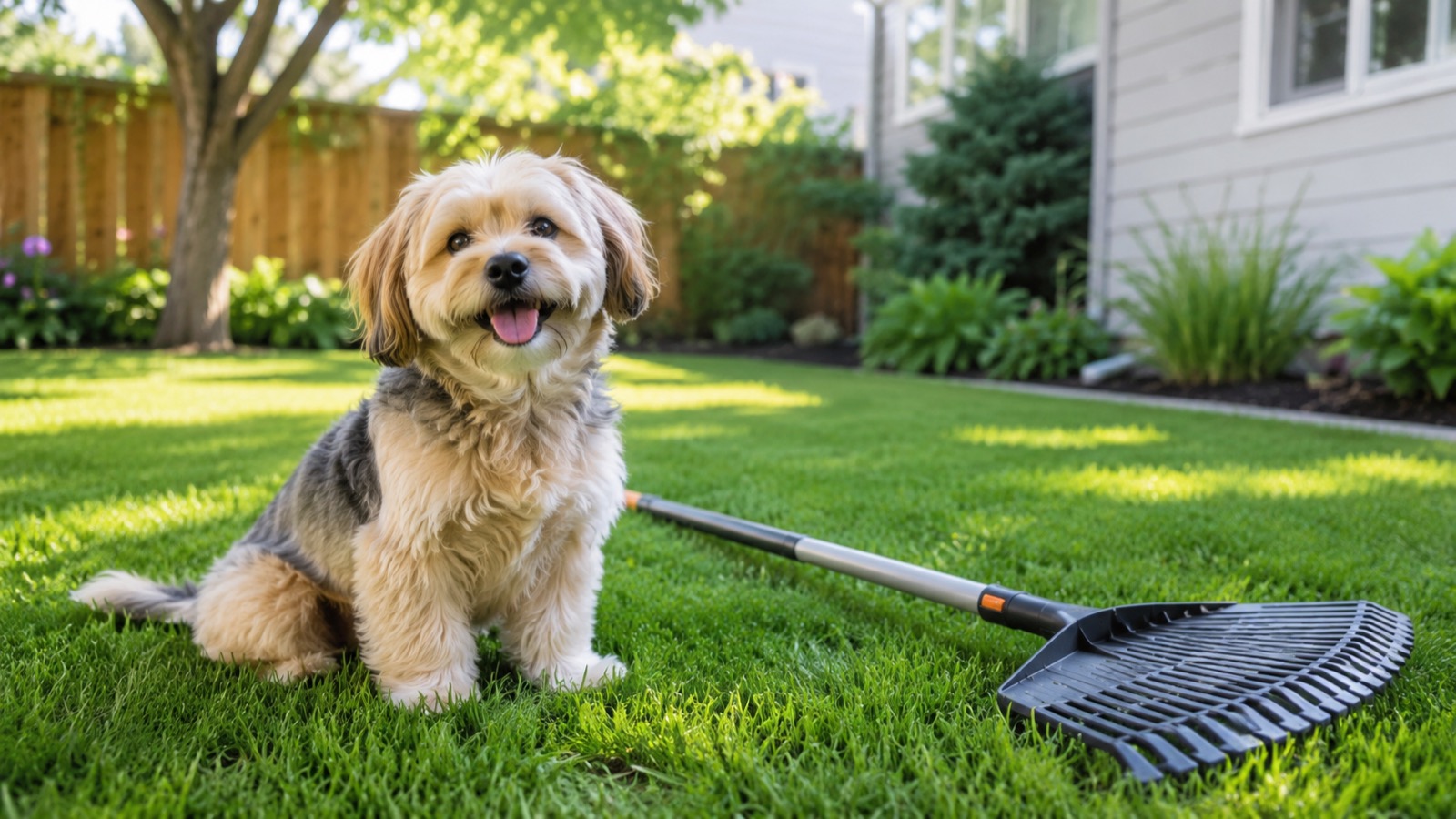
The four you will meet most often are the classic rake-and-tray, the two-piece jaw scooper, the single-hand claw grabber, and the all-in-one long-handled scooper that bags as it lifts. Each solves the problem differently.
Which dog waste tool is best for most owners?
For the widest range of situations, a long-handled all-in-one scooper wins. It keeps you standing, needs only one hand, works on grass and pavement, and drops waste straight into a bag. That combination covers small yards, big yards, and daily walks alike.
A well-engineered Pooper scooper handles fresh and firm waste with a full-closing head, which is where cheaper grabbers fail. If you want one tool that does nearly everything without a second thought, this is the category to start in.
Head-to-head tool comparison
Here is how the four main designs stack up on the factors that actually affect your daily experience.
| Tool type | Bending | Hands needed | Best surface | Weak point |
|---|---|---|---|---|
| Rake and tray | Some | Two | Open lawns | Awkward on pavement |
| Jaw scooper | Little | Two | Grass and hard ground | Bulky to store |
| Claw grabber | Some | One | Any | Drops soft waste |
| Long-handled all-in-one | None | One | Any | Costs a little more |
Matching the tool to your situation
The right pick depends on you as much as the product. Use this quick guide.
- Bad back or knees: a no-bend long-handled scooper is essential.
- Large open lawn: a rake-and-tray or wide-jaw scooper covers ground fast.
- Small city yard: a compact one-hand tool that stores easily.
- Multiple dogs: a durable scooper paired with high-capacity bags.
- On-the-go walks: a lightweight grabber or a folding scooper.
What separates a good tool from a bad one
Within any category, build quality decides whether you keep using the tool. Watch for these markers.
- A grip head that closes fully, with no gap that drops soft waste.
- Rust-resistant metal or tough polymer that survives outdoor storage.
- A handle sized to your height so you never lean forward.
- Smooth, spring-loaded action that does not jam after a few weeks.
- Easy rinsing, because a tool you cannot clean is a tool you abandon.
Quality guidance from bodies like the American Kennel Club advice on cleaning up dog poop reinforces that consistent, hands-off removal is what keeps a yard and neighborhood healthy, and the right tool is what makes consistency realistic.
Do not forget the bags
A great scooper is only half the system. The bag catches the load, and a weak one undoes everything. Whatever tool you choose, pair it with a bag built for the job so nothing splits between the yard and the bin. Sturdy heavy Dog duty Bags resist punctures and hold multiple pickups, which is exactly what a good scooper deserves as a partner. When comparing gear, if you want an outside opinion on what works locally, some owners consult trusted professionals before committing to a full setup.
How long should a good scooper last?
Value is not just the sticker price, it is cost per year of use. A flimsy grabber that jams or cracks within a season is expensive at any price, because you buy it again and again. A well-built scooper made from rust-resistant materials, stored under cover and rinsed occasionally, easily lasts several years of daily use.
Think about it the way you would a good garden tool. The handle should stay solid, the mechanism should keep its spring, and the head should not corrode. Buy at that level once and the aisle full of tempting cheap gadgets stops being relevant, because your tool simply keeps working season after season.
Frequently Asked Questions
What is the best type of dog waste tool for a bad back?
A long-handled, single-hand scooper is best for a bad back. It keeps you fully upright, needs no crouching, and lifts waste straight into a bag, removing the strain that causes pain.
Are claw grabbers good for picking up dog poop?
Claw grabbers are convenient and one-handed, but they tend to drop soft or fresh waste because the fingers do not seal. A full-closing jaw scooper handles all waste types more reliably.
Do I need different tools for grass and pavement?
Not usually. A quality long-handled all-in-one scooper works on both grass and hard surfaces, which is why it is the most versatile single tool for the majority of dog owners.
Is a more expensive scooper worth it?
Often yes. A better-built scooper closes fully, resists rust, and lasts years, while cheap ones jam or drop waste within weeks. The upfront cost usually saves money and frustration over time.
Final thoughts
One last tip from experience: buy the bags and the tool together. Owners who purchase a scooper but skimp on bags end up frustrated when a cheap sack splits mid-carry, and they blame the tool. The scooper and the bag are a matched pair, and judging either one in isolation leads to a setup that disappoints on the very first bad day.
The dog waste tools comparison comes down to matching design to need, but for most owners a durable long-handled all-in-one scooper is the smartest single purchase. Pair it with a strong bag, size the handle to your height, and you will have a cleanup system that stays in the rotation instead of the back of the garage. Choose deliberately once and you will not shop this aisle again for years.