Solar Battery Backup in Pakistan: Beat Load-Shedding in 2026
Load-shedding remains a daily frustration across much of Pakistan, and in 2026 more households are solving it with solar battery backup rather than noisy, fuel-hungry generators. A hybrid solar system with storage keeps your lights, fans, and internet running through outages while still slashing your monthly bill. This guide explains how solar battery backup works and how to size it correctly for your home.
We approach this from the angle that matters most to Pakistani families: uninterrupted power. If you are tired of scrambling for the UPS every time the grid drops, solar battery backup offers a cleaner, quieter, and ultimately cheaper answer.
How Solar Battery Backup Works
A hybrid inverter sits at the heart of a battery-backed system. During the day it powers your home from solar, charges the battery, and can export surplus to the grid. When an outage hits, it instantly switches to battery power, so your essential loads never notice the grid is gone.
This differs from a plain grid-tie setup, which shuts down during outages for safety. The hybrid design gives you the savings of solar plus the resilience of a backup system, all managed automatically by one intelligent inverter.
Lithium versus lead-acid: which battery wins?
Battery choice defines your experience. Lithium batteries, particularly LiFePO4 chemistry, last far longer, charge faster, and tolerate deep discharge better than traditional lead-acid units. They cost more upfront but win decisively on cost per usable cycle over their lifetime.
| Feature | Lead-Acid | Lithium (LiFePO4) |
|---|---|---|
| Typical cycle life | 500 to 1,000 | 4,000 plus |
| Usable depth of discharge | 50% | 90% plus |
| Charge speed | Slow | Fast |
| Maintenance | Periodic | Virtually none |
| Upfront cost | Lower | Higher |
For most families planning to keep the system for years, lithium is the smarter long-term buy. Lead-acid still suits tight budgets or lighter backup needs, so the right choice depends on your usage and how long you intend to rely on the system.
Sizing Your Backup for Real Load-Shedding
The key question is simple: what do you need to keep running, and for how long? List your essential loads, add up their wattage, and multiply by the hours of backup you want. That gives the battery capacity you need in watt-hours.
- Fans, lights, and phone chargers: light load, easy to back up.
- Refrigerator and internet router: moderate, worth including.
- Air conditioner: heavy, needs a larger battery and inverter.
- Water pump: brief but high surge, size accordingly.
An experienced installer translates this list into the right battery bank and inverter rating. Do not guess, because an undersized battery dies mid-outage and an oversized one wastes money. If you want to compare storage options yourself first, you can buy solar products online and study the specifications before you talk to an installer.
How long will the battery last during an outage?
Runtime depends on capacity versus load. A modest lithium bank can comfortably run fans, lights, and a fridge through the longest scheduled outages, while heavier loads like air conditioning draw down storage far faster. Matching capacity to your genuine essentials is the trick to reliable backup.
Why Solar Backup Beats a Generator
Generators are loud, need constant fuel, emit fumes, and demand regular servicing. Every hour they run costs you money and adds pollution. Solar battery backup, by contrast, runs silently, refuels itself from the sun, and requires almost no upkeep once installed.
Over a few years, the fuel savings alone often justify the switch, before you even count the reduction in your grid bill. Cleaner air and quiet nights are the bonus. The environmental case is strong too, as bodies like the U.S. Department of Energy document the emissions and cost advantages of solar-plus-storage over fossil-fueled generation.
The convenience factor most people underestimate
Beyond money, the biggest win is that battery backup is seamless. There is no rushing to start a generator, no fuel runs, and no interruption to your work or your children’s study time. The system simply keeps going. That reliability is why so many households upgrade once they experience a friend’s setup, often on the advice of an experienced local team.
Getting the Installation Right
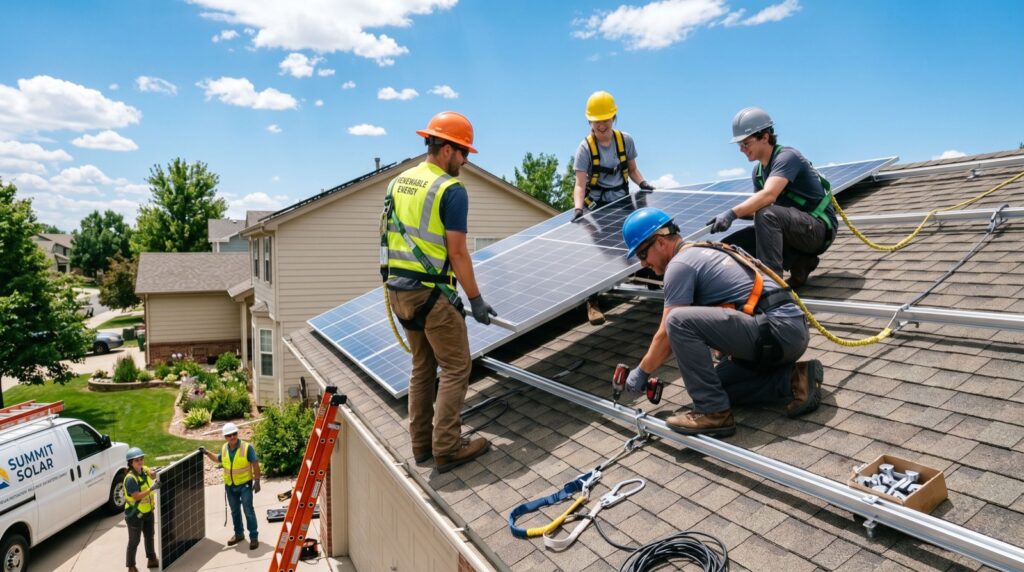
A battery system is only as good as its installation. Proper ventilation, correct cable sizing, robust earthing, and quality protection devices are essential for both safety and longevity. Cheap installations risk overheating, poor performance, and even fire hazards, so this is not the place to cut corners.
Choose an installer who sizes the system to your load, uses branded components, and provides a clear warranty. A professional setup in 2026 will serve your family reliably for many years while trimming your electricity costs every single month.
Frequently Asked Questions
Can solar battery backup run my air conditioner during load-shedding?
Yes, but it requires a larger battery bank and a suitably rated hybrid inverter. Air conditioners draw heavy power, so backing one up costs more than backing up fans and lights. An installer can size a system to include AC if that is your priority.
How long do solar batteries last?
Lithium LiFePO4 batteries commonly deliver 4,000 or more charge cycles, translating to roughly ten years or longer with normal use. Lead-acid batteries last far fewer cycles and usually need replacement much sooner.
Is solar battery backup cheaper than a generator?
Over time, yes. Solar backup has a higher upfront cost but almost no running cost, since it recharges from sunlight. Generators keep consuming fuel and servicing, so solar typically wins on total cost over several years.
Do I still save on my bill with a battery system?
Absolutely. A hybrid system powers your home from solar during the day and can export surplus to the grid under net metering, so you save on bills while also gaining outage protection.
Conclusion
Solar battery backup turns load-shedding from a daily headache into a non-event. In 2026, a well-sized hybrid system with lithium storage keeps your home running silently through outages while cutting your electricity bill month after month. Choose quality batteries, size the bank to your real needs, and insist on professional installation. Ready to stop worrying about the grid? Request a free load assessment and design your ideal backup solution today.